
When considering heating and cooling solutions, it’s important to recognize that commercial HVAC and residential HVAC systems are designed with different performance demands in mind. Whether you own a business or a home in Visalia, CA, understanding these differences can help you make informed decisions about air conditioning installation, air conditioning repair, and HVAC maintenance.
System Scale and Complexity
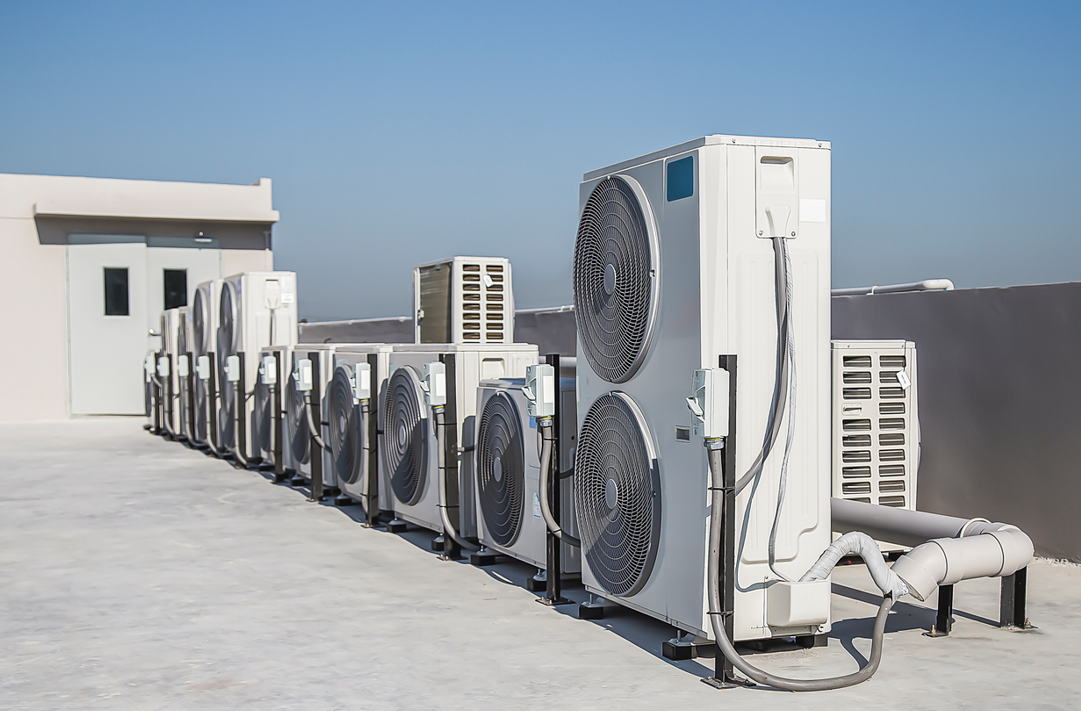
The most noticeable difference between commercial and residential HVAC systems is their size and capacity. Residential units typically serve homes between 1,000 and 3,500 square feet. Commercial spaces, however, may require multiple large packaged rooftop units to control conditions across various floors or zones.
Commercial HVAC systems also incorporate more advanced controls, larger duct systems, and complex configurations. This added complexity means installation and ongoing air conditioning maintenance involve more extensive planning compared to residential systems.
Placement and System Design
Residential HVAC units are often placed on the side of the home, in the backyard, or in utility closets for convenient access and reduced noise.
Commercial HVAC units, however, are commonly installed on rooftops. This design:
- Reduces noise within the building
- Conserves valuable ground space
- Allows technicians to perform air conditioning repair without disrupting daily business operations
This setup is especially beneficial for busy commercial environments in Visalia.
Equipment and Zoning Needs
Commercial systems often use modular or packaged units that can be expanded or reconfigured as building needs evolve. They may also include specialized components such as:
- Variable refrigerant flow (VRF) systems
- Advanced ventilation and filtration
- Cooling towers
- Automation and energy management systems
Commercial buildings often require multiple zones with individual controls, making it possible to heat or cool different departments or floors independently. Residential systems typically operate from a single thermostat, making zoning far less common.
Energy Efficiency and Regulatory Standards
Commercial HVAC systems must adhere to stricter energy-efficiency guidelines and regulatory standards. These requirements ensure:
- Higher system performance
- Better indoor air quality
- Lower long-term energy consumption
While homeowners also value efficiency, businesses must meet more rigorous expectations, especially when systems run for extended hours or support sensitive equipment.
Service, Maintenance, and Customer Needs
Maintenance needs differ significantly between residential and commercial HVAC systems.
Residential systems:
- Usually require seasonal tune-ups
- Often serviced by a single technician
- Prioritize comfort, cost, and fast service—especially during hot Visalia summers
Commercial systems:
- Require frequent and detailed inspections
- Often need a team of specialized technicians
- Demand rapid emergency service and accurate documentation for operational compliance
Because downtime in a commercial system can lead to lost revenue or safety concerns, proactive HVAC maintenance is essential.
Making Informed HVAC Choices
Whether you’re managing a commercial property or maintaining comfort at home, choosing the right HVAC provider is key. Superior Air offers expert air conditioning installation, air conditioning repair, and air conditioning maintenance tailored to both residential and commercial needs in the Visalia, CA region.
If you’re looking for a trusted HVAC team that understands the unique demands of local homes and businesses, contact Superior Air today to schedule a consultation or service appointment. Give us a call at (559) 734-2002 or fill out our online form to get started.