
A dependable HVAC system is vital for any business in Visalia, where triple-digit summers and unpredictable shoulder seasons are the norm. At Superior Air, understanding the value of proactive inspections helps clients avoid emergency breakdowns, save on operational costs, and maintain a comfortable, productive workplace. Here’s how a typical commercial HVAC inspection is handled by our team, along with why comprehensive checks are crucial for long-term reliability.
Comprehensive Evaluation of HVAC Components
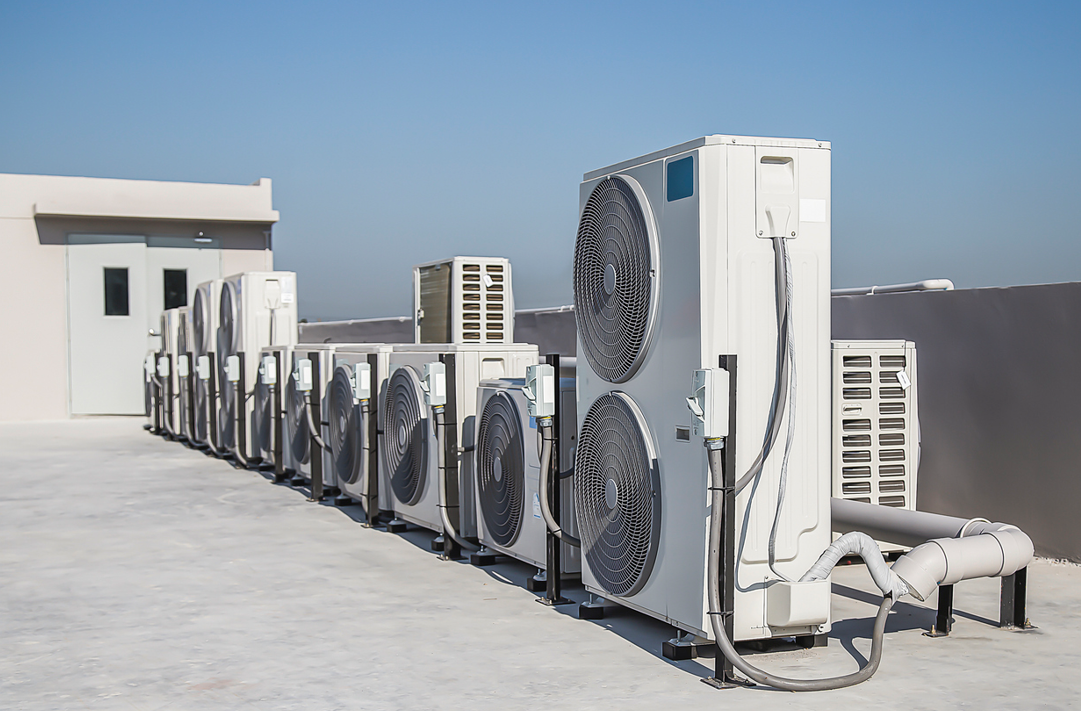
The inspection begins with a detailed review of all major system components, including air conditioning units, heating systems, ventilation, and ductwork. Technicians look for early signs of wear, leaks, or inefficiencies that could lead to larger issues if left unaddressed. Common steps include:
- Checking and replacing filters to support proper airflow and indoor air quality
- Examining belts, pulleys, and bearings for signs of wear
- Inspecting electrical connections to ensure safety and reliability
Routine inspections often uncover preventable issues, such as restricted airflow from clogged filters, which can impact system performance during periods of heavy use.
Calibration and Testing for Energy Efficiency
Accurate system controls are essential for maintaining comfort and efficiency. During the inspection, technicians calibrate thermostats and test control systems to confirm proper operation. This process includes:
- Verifying thermostat accuracy across different areas of the building
- Testing system response to various temperature settings
Even minor calibration issues can affect performance, so early adjustments help maintain consistent temperatures and reduce unnecessary strain on equipment.
In-Depth Ductwork and Airflow Analysis
Proper airflow is critical for efficient HVAC operation. Inspectors evaluate accessible ductwork to identify issues that may affect performance, including:
- Dust, debris, or buildup that can reduce air quality
- Leaks or disconnected sections that allow conditioned air to escape
Addressing these concerns helps improve airflow, maintain consistent temperatures, and support overall system efficiency.
Assessing System Sizing and Age
Commercial HVAC systems must be properly sized to meet the demands of the building. During the inspection, technicians assess whether the system capacity matches the space requirements. They also evaluate the condition and age of the equipment to identify potential risks. This includes:
- Determining whether the system is appropriately sized for current usage
- Identifying signs of aging that could lead to future failures
For businesses considering air conditioning installation, this evaluation helps determine whether upgrading equipment could improve performance and reliability.
Reporting and Proactive Maintenance Recommendations
After completing the inspection, a detailed report is provided outlining findings and recommended actions. The goal is not only to address current concerns but also to create a plan for ongoing system performance. Recommendations may include:
- Scheduling regular air conditioning maintenance
- Making adjustments to improve efficiency and comfort
- Preventing the need for frequent air conditioning repair
A proactive approach to maintenance helps extend equipment life and ensures consistent operation throughout the year.
Call Superior Air for Your Commercial HVAC Inspection in Visalia, CA
If you want to maintain a reliable and efficient HVAC system for your business, Superior Air is ready to help. Our team provides thorough inspections, expert recommendations, and dependable service to keep your system operating at its best. If you are in Visalia, CA, call us at (559) 734-2002 or fill out our contact form to get started.